
smart led bathroom mirror
In the world of industrial machinery and fluid control, metal valves play a pivotal role in ensuring seamless operations across diverse sectors such as oil and gas, chemical processing, and manufacturing. The reliability and effectiveness of these valves can significantly influence operational efficiency and safety, making them a cornerstone in the industrial supply chain. With years of hands-on experience in the field, it’s apparent that not all metal valves are created equal—differences in materials, design, and application can substantially impact their performance. When selecting metal valves for critical operations, several factors deserve meticulous attention. Material composition is fundamental. High-quality alloys such as stainless steel, brass, and carbon steel offer distinct advantages depending on environmental conditions. For instance, stainless steel valves are noted for their corrosion resistance and strength, making them ideal for high-stress environments such as offshore oil rigs. On the other hand, brass valves provide excellent ductility and are often used in applications requiring a good seal and moderate temperature resistance. Expertise in valve design is crucial for any business seeking to optimize their operations. Advanced manufacturing techniques such as CNC machining have allowed for precise control over valve dimensions, which in turn enhances their ability to withstand high pressures and temperatures. For high-pressure applications, such as those found in chemical processing plants, precision-engineered ball valves are often recommended. These valves ensure tight shut-off capability and minimize the risk of leakage, ensuring that harmful substances are safely contained. One cannot overlook the authoritative benchmarks set by established industry standards such as API, ANSI, and ISO. These standards provide guidelines ensuring that metal valves meet requisite safety and performance criteria. Valves certified under these standards bring an added layer of trustworthiness, signaling to users that they can withstand rigorous operational demands. A thorough understanding of these certifications is beneficial for engineers and procurement specialists aiming to integrate metal valves into their systems reliably. metalvalves The trustworthiness of a valve supplier also cannot be overstated . Collaborating with manufacturers who have a proven track record in delivering high-quality metal valves can make a significant difference. It is advisable to evaluate suppliers based on their history of delivering on-time solutions, post-sales support capability, and customer testimonials. This kind of diligence can uncover manufacturers genuinely invested in supporting the long-term success of their clients. From a practical standpoint, real-world application and testing provide the final validation of a metal valve’s adequacy for specific tasks. Encouraging case studies from various sectors demonstrate the wide-ranging applicability of these valves. For instance, in the food and beverage industry, metal valves ensure the safe transfer of liquids in processing plants, reaffirming their versatility and importance. In navigating the complex landscape of metal valves, businesses are best served by relying on a combination of empirical experience and authoritative guidance. Leveraging expert knowledge not only enhances operational reliability but also mitigates risks associated with valve malfunctions. Ultimately, choosing the right metal valve—crafted with precision, certified for quality, and backed by reputable expertise—can significantly contribute to operational excellence and safety.
about
smart led bathroom mirror
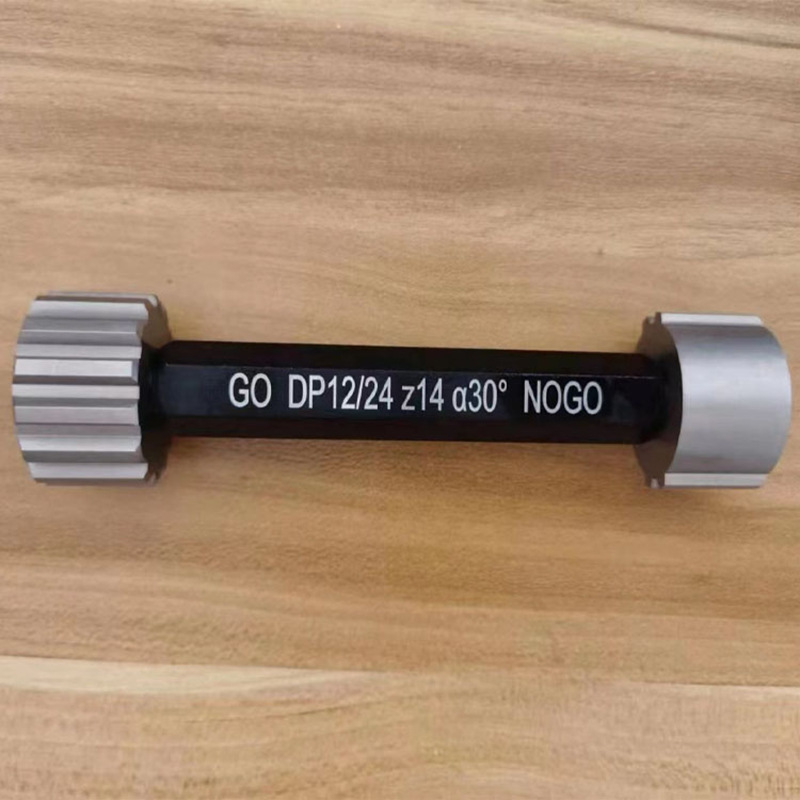
Understanding No Go Pin Gauges An Essential Tool for Quality Control In the realm of manufacturing and quality control, precision is paramount. One of the essential tools used in ensuring that parts meet strict tolerances is the no go pin gauge. This simple yet effective instrument plays a crucial role in verifying the dimensions of various components, ensuring that they meet specifications and can function properly in their intended applications. In this article, we will delve into the purpose, design, and application of no go pin gauges, highlighting their significance in the manufacturing process. What is a No Go Pin Gauge? A no go pin gauge is a type of measuring tool used in the inspection of holes and slots in components. It typically comes in two variants the go gauge and the no go gauge. The go gauge is used to determine if an object fits within the desired size range, whereas the no go gauge is designed to check for maximum allowable limits. If the no go gauge fits into the hole or slot being measured, it indicates that the part does not meet the required specifications and is deemed unacceptable. Design and Materials No go pin gauges are usually made from high-quality materials such as hardened steel or carbide to ensure durability and precision. Their design is straightforward; they often resemble a pin or cylindrical shape that is available in various diameters. The no go gauge is calibrated to match the specified tolerances, with precise dimensions that allow for accurate assessments during inspections. The ends of the pin gauge are usually marked with the gauge size, and some may feature additional markings to facilitate understanding of the measurement system being used. For industries that demand high precision, such as aerospace and automotive, the construction and calibration of no go pin gauges are subject to strict standards to ensure accuracy over time. Applications of No Go Pin Gauges No go pin gauges find applications across various industries, particularly in quality control processes where adherence to specifications is critical. They are commonly used in no go pin gauge 1. Manufacturing During the production of parts, no go gauges help in verifying that holes and slots are not oversized or out of tolerance. This is crucial to ensuring that components fit together correctly in assemblies. 2. Maintenance and Repair In the maintenance of machinery, technicians may use no go pin gauges to assess wear in components. If a part shows signs of being out of tolerance, it may need to be replaced or repaired to maintain optimal function. 3. Tool Making Toolmakers employ no go gauges to ensure that they create tools that meet specified tolerances. This is vital for the production of tools that will be used for critical applications, where deviations can lead to failures or inefficiencies. 4. Quality Assurance In quality assurance programs, no go pin gauges are an integral part of the inspection process. They help to confirm that manufactured parts or assemblies meet the rigorous standards required by regulatory bodies and industry norms. Benefits of Using No Go Pin Gauges The primary benefit of using no go pin gauges is enhanced quality control. By providing a straightforward method to evaluate whether parts are within permissible limits, manufacturers can reduce the risk of defective products entering the market. This, in turn, leads to increased customer satisfaction and decreased costs associated with returns and repairs. Additionally, no go pin gauges are easy to use and do not require complex calibration procedures, making them an accessible tool for operators on the shop floor. Their durability ensures that they can be used repeatedly without significant wear, maintaining accuracy over long periods. Conclusion No go pin gauges are indispensable tools in the world of manufacturing and quality assurance. Their ability to provide a clear, objective measurement ensures that components meet essential specifications, leading to better overall product quality. As industries continue to advance and the demand for precision increases, the role of no go pin gauges will remain vital in maintaining high standards of workmanship and reliability. Whether in a large-scale manufacturing operation or a small repair shop, understanding and utilizing no go pin gauges can significantly contribute to the overall success of production processes.
-

High quality industrial productsagement

High quality industrial products
View Details -

Meet the diverse needs of customers

Meet the diverse needs of customers
View Details -

Strict quality control

Strict quality control
View Details -

Top raw materials

Top raw materials
View Details -

Trusted supplier

Trusted supplier
View Details
Our application


news and information
Using Brackets to Assemble Wooden Structures and Enhance Your DIY Projects Effectively
Embracing Nature The Art of Joining Wood with Brackets In the world of woodworking, there is a disti
Vòng vít đo
Đồ đo độ dày của vòng và vít Công cụ thiết yếu trong ngành công nghiệp Trong ngành công nghiệp hiện

Water Hose Shutoff Valve for Efficient Water Control and Usage Management
The Importance of a Water Hose Shut-Off Valve When it comes to managing water flow in your garden or
 English